
Startups Don’t Come With a Manager Manual: Lessons in Leading Through Growth
Posted in Entrepreneurship, Leadership
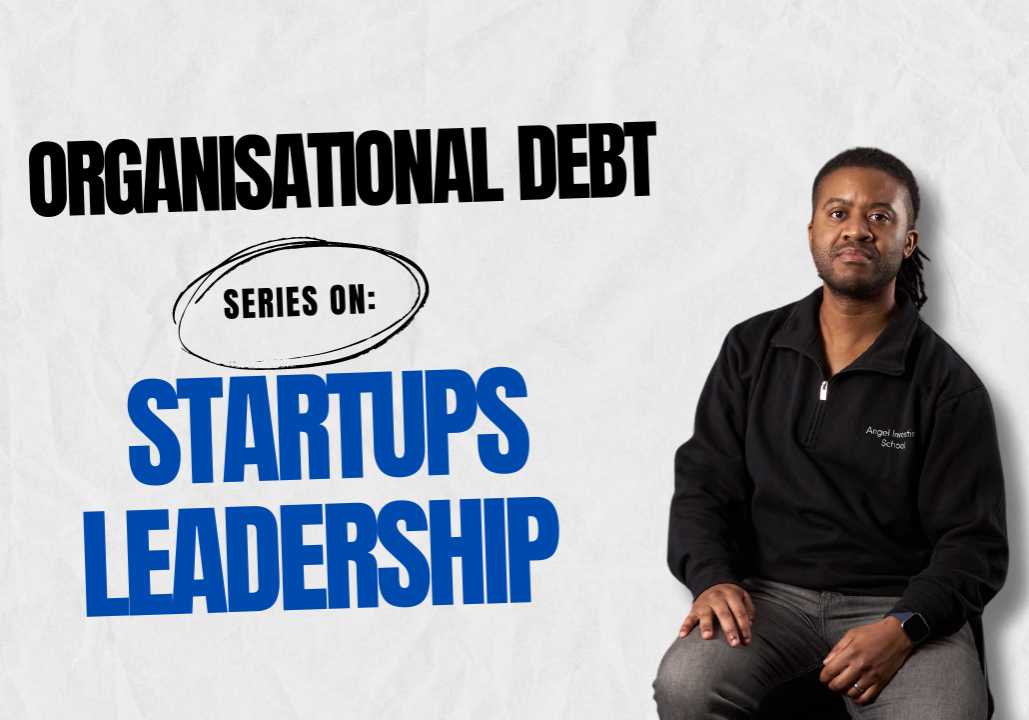
In the last 15 years, I’ve founded several businesses, worked in two companies that scaled to over $1 billion in valuation, and advised startups as both a coach and angel investor. If there’s one truth I’ve learned, it’s this:
People are a company’s greatest asset, and its greatest risk.
Startups don’t fail because of bad ideas. They fail because of poor execution. And poor execution is often the result of people challenges, especially when individuals are promoted into leadership roles without the tools to lead well.
In high-growth environments, the spotlight is usually on product-market fit, speed of execution, and scaling revenue. But very few people are asking: Are we scaling leadership at the same pace as the company?
Let’s explore the three most common challenges I’ve seen (and experienced) firsthand, and how we can do better.
1. From Brightest Bulb to Team Torchbearer: The Individual Contributor Trap
A familiar pattern: someone brilliant at what they do, be it coding, marketing, or operations, is promoted to lead others doing similar work. On paper, it makes sense. In practice, it’s a complete shift in identity.
This is what Andy Crissinger and Ray Foote called The Brightest Bulb Challenge on the Reboot podcast. I’ve seen it many times. The individual contributor (IC) who used to be valued for what they did is now expected to lead a team and be measured on how well the team does.
Here’s how the challenge usually shows up:
1️⃣ Redefining success: The dopamine hit of “I shipped this” must give way to “I supported my team to deliver this.” The measure moves from output to outcomes.
2️⃣ Redesigning time: Time spent mentoring, unblocking, or just listening may feel intangible at first, but it’s where real leadership lives.
3️⃣ Rewiring identity: You’re no longer just the expert, you’re the enabler. And that’s not a downgrade; it’s a promotion that enables you to impact the development and growth of others (impact).
“You move from being a maker of things to a maker of teams.”
Startups often promote ICs without preparing them. No training. No support. Just new expectations and higher stakes. Some rise. Some sink. And the business absorbs the cost either way.
Quick tip: Invest in immersive leadership development early. The best programs aren’t PowerPoint-heavy. They’re grounded in stories, personal reflection, and shared learning. And remember: not every high performer wants to manage. A pay rise may be recognition enough.
Organisational Debt: Titles That Outpace Talent
In the early days of a startup, titles are handed out like stickers: CMO, COO, Head of ‘X’. It’s well-meaning, meant to reward loyalty and boost morale.
But then you scale.
And the reality sets in: some people aren’t growing as fast as the business. The skill gap widens. Difficult conversations begin. Sometimes it ends in awkward demotions. Sometimes in painful exits.
I call this organisational debt, the compound interest you pay later for decisions made in haste. I remember coaching an experienced Senior Product Manager who faced this dilemma. He was hired as VP of Product with experience under his belt in Enterprise and Scale-up environments. They were hired by a Chief Product Officer who grew through the business but lacked perspective on key product processes like discovery and user testing. This made it difficult to have the hard conversation about the Elephant in the room, especially with the family-friendly culture where everyone was nice.
“We were a family,” someone says. And suddenly, letting a friend go feels like betrayal.
Quick tip: When hiring, don’t just hire for what you need now. Hire for who they can become. Look for character, not just capability. A growth mindset is a non-negotiable in environments where the job may change every three months.
Net Present Value of Pain
One of the most powerful concepts I’ve come across is from Sarah Tavel, General Partner at Benchmark. She talks about the Net Present Value of Pain, the idea that:
“Pain today, postponed until tomorrow, is going to be harder.”
I’ve seen this play out so many times.
A founder knows a team member is underperforming. But they delay the decision because the roadmap is behind, hiring is slow, or it’s just too emotionally draining.
And so they wait.
Meanwhile, the team member causes friction. Projects slip. Culture erodes. Other high performers leave. What started as a hard conversation becomes a company-wide problem.
I previously coached an experienced UX Researcher who faced this challenge when she joined a hyper-growth startup. There was one colleague in particular who was rude, publicly disregarded her comments and made her feel unworthy and incompetent. When she spoke about how she felt with others, including her manager, they were all aware of her behaviour but tolerated it as they didn’t want to rock the boat. In the 6 months after that initial conversation, two colleagues had moved departments, poor product feature decisions were made that impacted customers and the UX Researcher and others left the company.
This ripple effect was caused because no one had the courage to have an honest and clear conversation with the troublesome colleague. Would you?
Quick tip: Nip issues in the bud. Waiting rarely helps. And while it’s easy to offer advice from the outside, I know, it’s hardest when you’re the one in the arena. But clarity, delivered with compassion, is better than false harmony.
What Can You Do Today?
Managers are the linchpins of culture. They’re not just responsible for execution; they shape how people feel at work. And how people feel impacts performance, retention, and ultimately, growth.
Here are a few habits that can help first-time managers thrive:
1. Reflect Regularly (Self-awareness is your superpower)
Ask yourself:
- What gives me energy?
- What drains me?
- What patterns am I noticing in how I lead or react?
2. Build a Culture of Team Reflection (Borrowed from Kaizen)
Schedule short retros with your team. Ask:
- What went well?
- Even better if…?
- What actions will we take together?
These small habits compound over time.
3. Practise Difficult Conversations
When giving feedback:
- Focus on observation, not assumption
- Share impact, not intention
- Take ownership, not assign blame
For example:
❌ “You’re always late. It’s unprofessional.”
✅ “I really value how your presence is calming to the whole team, good to see you. I noticed you arrived 15 minutes late to the last two standups. It delayed our work and we had to rush. Let’s agree on a start time we can all commit to.”
Final Thoughts: Leadership is a Human Practice
No one gets it perfect. Especially not in a startup.
But the best managers I’ve worked with, whether they were first-timers or seasoned leaders, had one thing in common: they led with humility, curiosity, and care. Even when the conversation is tough!
Startups don’t come with a manager manual. But they can come with intentional leadership.
If you’re a founder or first-time manager navigating hypergrowth and would like support, I’d love to connect. Whether it’s through coaching, workshops, or just a conversation, I’m here to help you lead with more humanity and less burnout.
Andy Ayim MBE is a leadership advisor, entrepreneur, and angel investor. He helps leaders create psychologically safe environments where people can thrive.